Mobility is undergoing a systemic and rapid transformation, moving far beyond simple technological updates. For infrastructure planners and operators, this shift is redefining how society functions, how people move, and how assets are managed. The future of mobility demands new strategies from public and private stakeholders, requiring planners to move away from reactive models toward anticipating trends, leveraging advanced transportation technology, and preparing for smarter, more sustainable infrastructure. Openvia, as the technological platform and main provider for Globalvia and other mobility operators, is at the forefront of this shift, offering solutions that build a vision of mobility that is Intelligent, Interoperable, and Inclusive.
The shift to data-driven, predictive planning
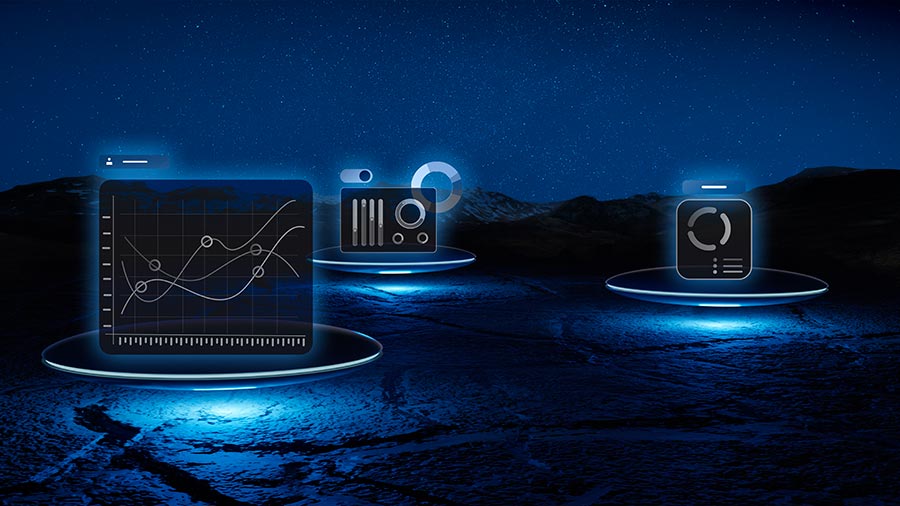
One of the most profound innovations for planners is the adoption of predictive and proactive models in managing infrastructure, a significant departure from traditional reactive maintenance strategies. Smart mobility is inherently data-driven. Infrastructures are now utilizing sensors, GPS, AI, and Big Data to continuously monitor traffic flows, anticipate congestion, and adjust infrastructure usage in real time.
For planners, this means transitioning from waiting for failures to occur to actively anticipating issues. Predictive maintenance, powered by Artificial Intelligence and Big Data, is central to this. AI algorithms analyze patterns from vast datasets (including vehicle telemetry, weather sensors, and structural health monitoring systems) to detect early signs of deterioration, such as cracks and potholes. This allows infrastructure managers to schedule maintenance based on the actual performance and forecast degradation rates, rather than general, often inefficient, estimations. Openvia’s proposal for road maintenance management, for example, emphasizes this shift, leading to fewer emergency repairs, reduced downtime, and better use of maintenance budgets.
Embracing digitalization and integrated systems
The volume of data generated by modern smart mobility systems necessitates robust, scalable digital infrastructure. Cloud computing services provide the essential backbone for this advanced technology. Process digitalization is not optional; it is fundamental for standardization and efficiency.
Planners must now focus on integration. Cloud platforms allow the seamless integration of multiple solutions within a single ecosystem. This means centralized control dashboards can aggregate data from diverse sources: public transit, shared mobility platforms, weather services, and traffic management systems to provide a unified view of mobility. This integrated approach enables operators to coordinate operations more effectively and make better long-term investment decisions.
Key digital tools now essential for planners include:
- Intelligent Transportation Systems (ITS): These systems, already deeply used among the industry, combine sensors, data analytics, and automated responses to manage traffic and improve safety, such as adaptive traffic signals that respond to real-time congestion.
- Digital Twins: These capabilities, often supported by cloud-based systems, allow operators to virtually replicate physical infrastructure (roads, tunnels, bridges) to simulate the impact of various upgrades, interventions, and long-term projects without disrupting actual systems.
- Intelligent Operations Platforms: Solutions like Openvia’s Geomic are dynamic platforms for managing digitized preventive and corrective maintenance of roadways, standardizing maintenance workflows through digital inspection forms and GIS-based asset inventories.
The sustainability imperative
The focus on sustainability has become central to transportation planning, driving the design of future systems. For infrastructure planners, this means aligning long-term strategies with critical environmental objectives.
- Electrification: Supporting the transition to electrified transport requires infrastructure investment in charging stations, power grid upgrades, and dedicated lanes.
- Sustainable urban design: Planners are shifting toward strategies that promote sustainable solutions, such as using durable materials, energy-efficient construction, and incorporating green infrastructure (like permeable pavements), reduce the environmental footprint.
- Climate resilience: Infrastructure managers must also ensure that transportation networks can withstand extreme weather events. This means incorporating monitoring systems, predictive maintenance, and flexible route designs into planning to protect urban mobility from climate-related disruptions.
By adopting sustainable practices, Openvia’s model for maintenance management helps to properly manage the fuel consumption for maintenance fleets and monitors the life of pavements, contributing to lower emissions and consumption of materials.
The need for strategic collaboration
Transforming urban mobility at scale requires more than just new technology; it demands collaboration between public agencies, infrastructure operators, and private innovators. Public-Private Partnerships (PPPs) are essential for delivering resilient, sustainable infrastructure, and inclusive mobility systems.
Planners rely on private sector partners, such as those developing technological expertise. In return, public operators provide critical infrastructure support. Collaboration should focus on defining clear governance frameworks, data standards, and performance metrics. Launching pilot programs is an effective way to test collaborative models before full-scale deployment.
Ultimately, the goal for infrastructure planners today is to balance innovation, sustainability, and public needs. By leveraging digital tools, embracing sustainable models, and fostering cross-sector collaboration, they are creating transportation systems that are more efficient, inclusive, and adaptable, positioning their infrastructure at the center of a smarter mobility future.